

Austria Austria 1 kreuzer, 1604
Description:
1 kreuzer Austria 1 kreuzer, 1604 coin from Austria. Design, history & value.
Introduction
The Austria 1 kreuzer 1604 coin holds a significant place in the numismatic history of the Holy Roman Empire. This silver coin, minted in 1604, showcases exquisite craftsmanship and historical importance that captivates coin collectors and history enthusiasts alike.
Historical Background
Issued by Austria, this 1 kreuzer coin was a part of the Holy Roman Empire, a vast empire that encompassed Central Europe during the 16th and 17th centuries. The Holy Roman Empire was a union of territories under the rule of an emperor, and its coinage reflected the political and cultural landscape of the era.
Coin Images
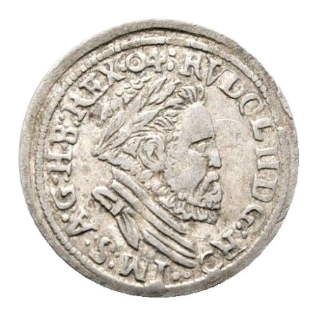 Obverse
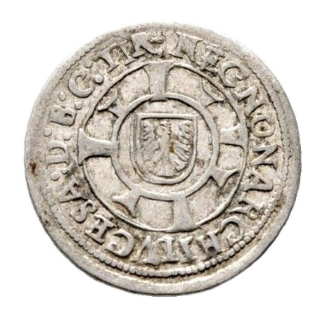 Reverse
Design Features
The obverse of the Austria 1 kreuzer 1604 coin features the inscription "04 / RVDOL II D G RO IM S A G H B REX," indicating the ruler Rudolf II, who was the Holy Roman Emperor at that time. On the reverse side, the coin displays the Latin phrase "NECNON ARCHIDVCES A D B C TIR," signifying the Archdukes of Austria. The intricate designs on both sides symbolize the power and authority of the ruling monarchy.
Technical Specifications
This 1 kreuzer coin from Austria has a diameter of 16.00mm and is crafted from silver, highlighting the precious metal content of the coin. The coin's composition and size reflect the minting techniques and standards of the Holy Roman Empire during the early 17th century.
Collectible Value
The Austria 1 kreuzer 1604 coin holds significant collectible value due to its historical significance and rarity. As a part of the Holy Roman Empire coinage, this silver coin appeals to numismatists interested in collecting coins from this period. Its limited mintage and unique design features contribute to its desirability among collectors seeking rare and valuable coins.
Conclusion
In conclusion, the Austria 1 kreuzer 1604 silver coin is a remarkable numismatic piece that showcases the artistry and history of the Holy Roman Empire. With its intricate designs, historical significance, and collectible value, this coin stands as a prized possession for collectors and a testament to the rich numismatic heritage of Austria and the Holy Roman Empire.

ScanMyCoin: AI Coin Recognition
Professional AI coin recognition and collection management platform. Identify, learn, and track your coin collection with advanced AI technology and a vast.