

Austria Austria 2 thaler, 1625-1632
Description:
2 thaler Austria 2 thaler, 1625-1632 coin from Austria. Design, history & value.
Introduction
The Austria 2 Thaler coin minted between 1625 and 1632 is a remarkable piece of history from the Holy Roman Empire. Known for its intricate design and historical significance, this silver coin holds a special place in numismatics.
Historical Background
Issued under the authority of Austria, this coin was during the reign of Ferdinand II, who played a crucial role in the tumultuous times of the Thirty Years' War. The Holy Roman Empire, encompassing various territories in Central Europe, saw significant political and religious upheavals during this period.
Coin Images
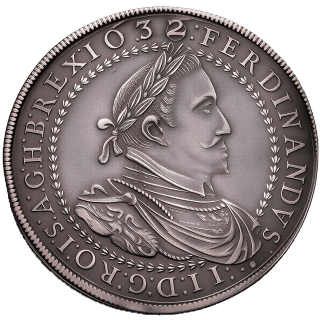 Obverse
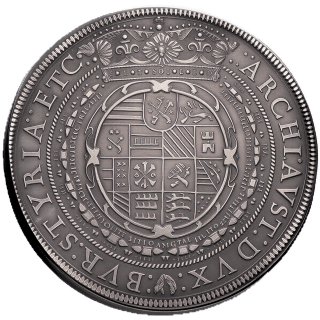 Reverse
Design Features
The obverse of the coin features the inscription "FERDINANDVS II D G RO I S A G H B REX," showcasing Ferdinand II's royal title. The reverse side displays "ARCHI AVST DVX BVR STYRIÆ ETC," representing his various titles and territories. The intricate detailing on both sides reflects the artistic craftsmanship of the era.
Technical Specifications
This 2 Thaler coin weighs 56.30 grams and has a diameter of 48.00mm, making it a substantial piece. Crafted from silver, it exudes a classic appeal and is a testament to the skilled minting practices of the time.
Collectible Value
Due to its historical significance and limited mintage period, the Austria 2 Thaler coin is highly sought after by collectors. Its rarity and connection to a significant historical figure like Ferdinand II add to its value. Depending on the condition and provenance, these coins can fetch considerable prices in the numismatic market.
Conclusion
In conclusion, the Austria 2 Thaler silver coin from 1625-1632 is not just a collectible item but a piece of history that encapsulates the political and cultural landscape of the Holy Roman Empire. Its intricate design, historical context, and collectible value make it a prized possession for numismatists and history enthusiasts alike. By exploring the nuances of this coin, one can delve deeper into the fascinating world of early modern European coinage and appreciate the artistry and historical significance it represents.

ScanMyCoin: AI Coin Recognition
Professional AI coin recognition and collection management platform. Identify, learn, and track your coin collection with advanced AI technology and a vast.