
Hessen-Homburg Hessen-Homburg ⅔ thaler, 1692
Posted on: December 2, 2025
keywords: Hessen-Homburg, Hessen-Homburg ⅔ thaler, 1692, ⅔ thaler, coin collecting, numismatics, Hessen-Homburg
Description:
⅔ thaler Hessen-Homburg ⅔ thaler, 1692 coin from Hessen-Homburg. Design, history & value.
- Introduction
The Hessen-Homburg ⅔ thaler struck in 1692 stands as a testament to the opulence and authority of the Landgraviate of Hesse-Homburg. This silver coin not only serves as a medium of exchange but also reflects the grandeur and historical significance of its era. - Historical Background
The Landgraviate of Hesse-Homburg, a small German principality, issued this coin in 1692 during a period of political and economic stability. The coinage played a crucial role in facilitating trade and commerce within the region and beyond. - Design Features
The obverse of the coin showcases the intricate coat of arms of Hessen-Homburg, symbolizing the authority of the issuing authority. Additionally, ornate crowns adorn the design, emphasizing the royal connection. On the reverse side, a beautifully crafted wreath adds a touch of elegance to the overall aesthetic. - Technical Specifications
This ⅔ thaler coin measures [insert size], weighs [insert weight], and is composed of high-quality silver. The precise technical parameters of the coin contribute to its durability and lasting appeal among collectors and enthusiasts. - Collectible Value
The Hessen-Homburg ⅔ thaler from 1692 holds significant collectible value due to its historical importance and limited availability. Numismatists and collectors highly covet this coin for its rarity and unique design elements. Its market value reflects both its intrinsic silver content and its numismatic appeal. - Conclusion
In conclusion, the Hessen-Homburg ⅔ thaler of 1692 stands out as a remarkable piece of numismatic history, blending regal symbolism with exquisite craftsmanship. Its enduring allure and collectible value make it a prized possession for collectors seeking to own a piece of the Landgraviate of Hesse-Homburg's legacy.
Coin Images
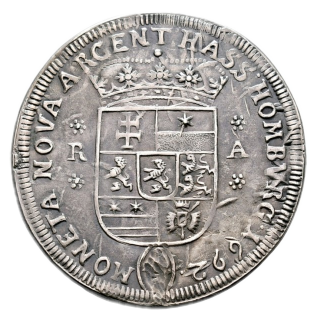 Obverse
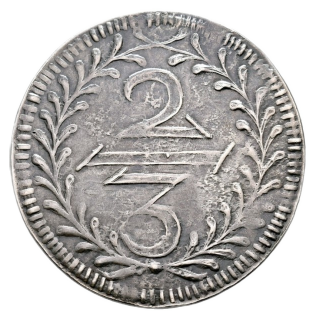 Reverse

ScanMyCoin: AI Coin Recognition
Professional AI coin recognition and collection management platform. Identify, learn, and track your coin collection with advanced AI technology and a vast.