

Prussia Prussia 18 groschen, 1755-1759
Description:
18 groschen Prussia 18 groschen, 1755-1759 coin from Prussia. Design, history & value.
1. Introduction
The Prussia 18 groschen coin, minted between 1755 and 1759, stands as a testament to the rich numismatic history of the Kingdom of Prussia. This silver coin carries with it a blend of historical significance and artistic beauty, making it a prized possession for collectors and enthusiasts alike.
2. Historical Background
Issued by Prussia during the mid-18th century, these 18 groschen coins were an integral part of the monetary system of the Kingdom. Bearing the inscription "FRIDERICUS BORUSSORUM REX" on the obverse, they symbolize the reign of Frederick II, also known as Frederick the Great, who ruled Prussia during a period of military and cultural prominence.
3. Design Features
The obverse of the coin features the regal profile of Frederick II with the inscription "FRIDERICUS BORUSSORUM REX," highlighting his royal status. On the reverse side, the denomination "18" is displayed above the Latin phrase "MONETA ARGENTEA," signifying the silver content of the coin.
4. Technical Specifications
This silver coin weighs 5.86 grams and has a diameter of 28.00mm. With a silver composition of 50%, the Prussia 18 groschen coin showcases a balance of metal purity and durability, reflecting the craftsmanship of its time.
5. Collectible Value
Due to its historical significance and limited mintage period, the Prussia 18 groschen coin holds a notable collectible value among numismatists. Its connection to Frederick the Great and the Kingdom of Prussia adds to its desirability, making it a sought-after piece for coin collectors interested in European history.
6. Conclusion
In conclusion, the Prussia 18 groschen silver coin from 1755-1759 encapsulates a pivotal era in Prussian history and numismatics. Its intricate design, historical context, and collectible rarity make it a prized addition to any coin collection. Owning this coin not only offers a glimpse into the past but also serves as a tangible link to the legacy of Frederick the Great and the Kingdom of Prussia.
Coin Images
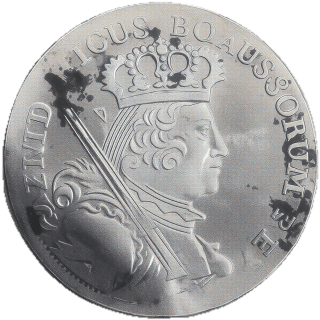 Obverse
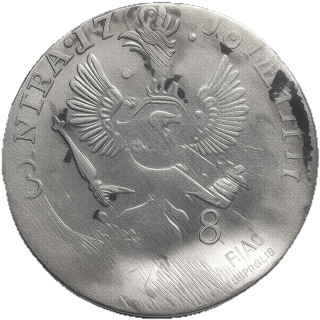 Reverse

ScanMyCoin: AI Coin Recognition
Professional AI coin recognition and collection management platform. Identify, learn, and track your coin collection with advanced AI technology and a vast.