
Qandahar, City of 1 Falus (Qandahar)
Description:
1 Falus 1 Falus (Qandahar) coin from Qandahar, City of. Design, history & value.
[SEO TITLE]: Discover the Historical 1 Falus Coin from Qandahar, 1696 [SEO DESCRIPTION]: Uncover the unique 1 Falus coin from Qandahar, 1696, featuring a crane or peacock. [KEYWORDS]: Qandahar coin, 1 Falus, 1696 copper coin, crane design, collectible currency
Main Content
Introduction
The 1 Falus coin from Qandahar, minted in 1696, is a captivating artifact for numismatists and history enthusiasts alike. This copper coin, with its unique design featuring either a standing crane or peacock, symbolizes the rich cultural tapestry of its time. As a product of the city of Qandahar, this coin not only represents a piece of monetary history but also offers insight into the artistic and economic influences of the late 17th century in the region.
Historical Background
Qandahar, a historically significant city located in present-day Afghanistan, was a strategic trade and cultural hub during the 17th century. The issuance of the 1 Falus coin in 1696 reflects the city's economic outreach and its role in regional trade. This coin was minted under the authority of the city itself, indicating a degree of autonomy and highlighting the importance of local governance in monetary affairs. The year 1696 was marked by various political changes, and the production of this coin could be seen as a move to assert local identity and economic stability amidst these shifts.
Coin Images
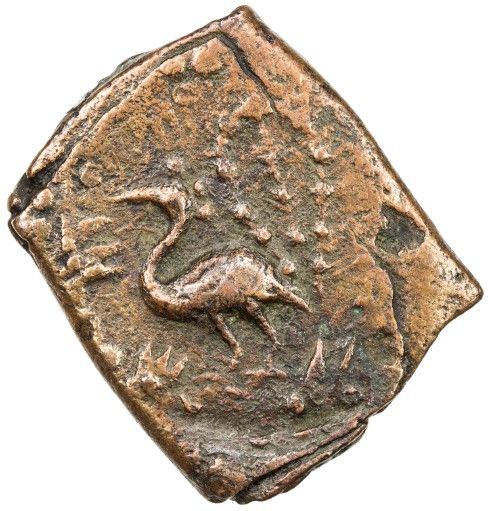 Obverse
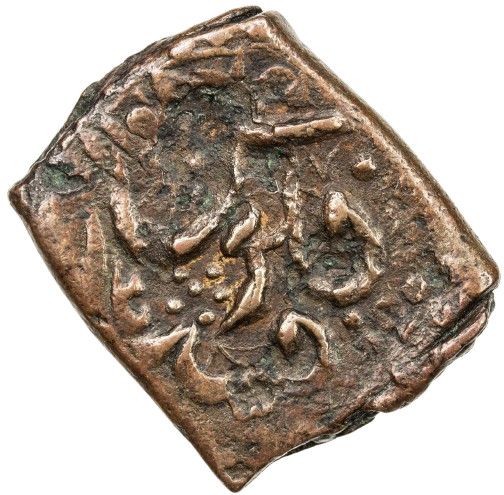 Reverse
Design Features
The design of the 1 Falus coin is particularly notable for its obverse side, which features a standing crane or peacock. This choice of imagery is symbolic and could reflect local fauna or cultural symbolism of prosperity and grace. The crane, often associated with longevity and wisdom, or the peacock, known for its beauty and dignity, would have been fitting motifs for a city like Qandahar. While the reverse design details are less documented, the obverse's artistry speaks volumes about the aesthetic values of the time.
Technical Specifications
The 1 Falus coin is crafted from copper, a common material for coins intended for everyday transactions during the era. Weighing 8.49 grams, this coin's substantial weight reflects its durability and intrinsic value as a piece of currency. Although the exact dimensions are not specified, the coin's composition and weight suggest a solid, round form typical of the period's minting practices.
Collectible Value
For coin collectors, the 1 Falus from Qandahar is a remarkable find due to its rarity and historical context. Coins from this specific year and region are scarce, making them prized additions to any numismatic collection. The value of this coin is not just in its material composition but also in its historical and cultural significance. Collectors value it for its unique design and the story it tells about Qandahar's past. The market for such coins can vary, but its rarity often results in high demand among collectors specializing in Middle Eastern or 17th-century numismatics.
Conclusion
In summary, the 1 Falus coin from Qandahar, minted in 1696, represents a fascinating intersection of art, history, and economics. Its unique design and historical backdrop make it an invaluable piece for collectors and historians alike. As a symbol of Qandahar's rich cultural heritage, this coin continues to captivate those who uncover its story, offering a tangible connection to a bygone era. Whether you are a seasoned numismatist or a curious history buff, the 1 Falus coin stands as a testament to the enduring legacy of Qandahar's vibrant past.

ScanMyCoin: AI Coin Recognition
Professional AI coin recognition and collection management platform. Identify, learn, and track your coin collection with advanced AI technology and a vast.