

Reuss-Greiz Reuss-Greiz 3 pfennig, 1805-1816
Posted on: December 2, 2025
keywords: Reuss-Greiz, Reuss-Greiz 3 pfennig, 1805-1816, 3 pfennig, coin collecting, numismatics, Reuss-Greiz
Description:
3 pfennig Reuss-Greiz 3 pfennig, 1805-1816 coin from Reuss-Greiz. Design, history & value.
- Introduction
The Reuss-Greiz 3 pfennig coin, minted between 1805 and 1816, holds a significant place in numismatic history. This copper coin from the Principality of Reuss-Greiz showcases unique design elements and historical importance. - Historical Background
The Principality of Reuss-Greiz, a small German state, issued its own coinage during the late 18th and early 19th centuries. The 3 pfennig denomination was a common circulation coin used in daily transactions. - Design Features
The obverse of the coin features the coat of arms of Reuss-Greiz, adorned with crowns symbolizing the princely status. On the reverse, the denomination "3 PFENNIG" is inscribed along with "F R P" and "GREIZER L M" denoting the issuing authority and mint. - Technical Specifications
This coin weighs 4.80 grams and has a diameter of 23.00mm, typical for a 3 pfennig copper coin of that era. The use of copper in its composition was common for lower denomination coins due to its affordability and availability. - Collectible Value
The Reuss-Greiz 3 pfennig coin is sought after by collectors for its historical significance and rarity. Its market value can vary depending on factors such as condition, demand, and overall availability in the numismatic market. As a piece from a lesser-known German principality, it appeals to collectors interested in regional coinage. - Conclusion
In conclusion, the Reuss-Greiz 3 pfennig coin offers a glimpse into the economic and cultural landscape of a bygone era. Its unique design, historical context, and collectible value make it a prized addition to any numismatist's collection, showcasing the rich diversity of German coinage during the early 19th century.
Coin Images
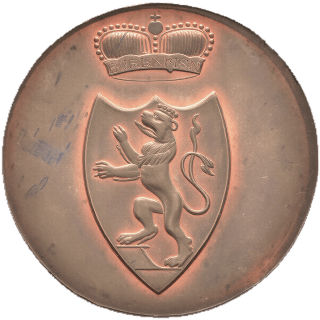 Obverse
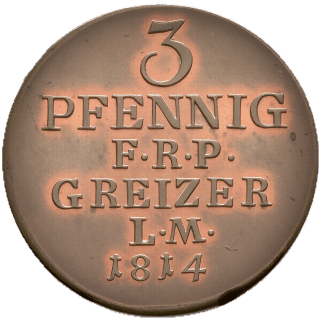 Reverse

ScanMyCoin: AI Coin Recognition
Professional AI coin recognition and collection management platform. Identify, learn, and track your coin collection with advanced AI technology and a vast.