

Saxony Saxony ⅙ thaler, 1764-1767
Posted on: December 2, 2025
keywords: Saxony, Saxony ⅙ thaler, 1764-1767, ⅙ thaler, coin collecting, numismatics, Saxony
Description:
⅙ thaler Saxony ⅙ thaler, 1764-1767 coin from Saxony. Design, history & value.
- Introduction
The Saxony ⅙ thaler minted between 1764 and 1767 holds a special place in numismatic history due to its connection with the Electorate of Saxony, showcasing intricate designs and historical importance. - Historical Background
Issued by Saxony, this coin was part of the Electorate of Saxony's coinage from 1763 to 1806. Saxony, a prominent German state, used thalers as a standard denomination for trade and commerce during this period, reflecting its economic strength. - Design Features
The obverse of the coin features the inscription "XAVERIVS D G REG PR POL & L DVX SAX," highlighting the ruler and his titles. On the reverse, the design includes the fraction "1/6" above "ELECTORATVS SAXONIÆ ADMINISTRATOR" and "LXXX EINE MARCK F," denoting the value and origin of the coin. - Technical Specifications
This ⅙ thaler coin weighs 4.80g, with a diameter of 24.00mm, and is composed of 50% silver. The moderate size and silver content make it a desirable piece for collectors interested in historical European coinage. - Collectible Value
Due to its limited mintage and historical significance, the Saxony ⅙ thaler from 1764-1767 holds both numismatic and historical value. Collectors often seek this coin to add a piece of Electorate of Saxony's history to their collections. Its rarity and connection to a significant German state make it a prized possession for numismatists worldwide. - Conclusion
In conclusion, the Saxony ⅙ thaler minted between 1764 and 1767 stands as a testament to the rich history of Saxony and the Electorate of Saxony. With its intricate designs, historical context, and collectible value, this silver coin is a cherished piece for both coin enthusiasts and history buffs alike. By exploring the Saxony ⅙ thaler, collectors can delve into the past and appreciate the artistry and significance of coins from this period in German history.
Coin Images
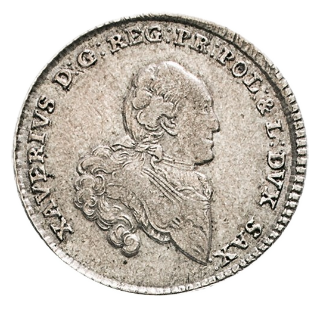 Obverse
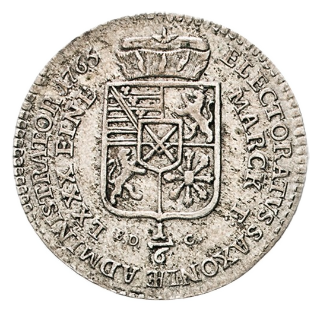 Reverse

ScanMyCoin: AI Coin Recognition
Professional AI coin recognition and collection management platform. Identify, learn, and track your coin collection with advanced AI technology and a vast.